Bile Acids: The "Acceleration Engine" and "Health Guardian" for Beef Cattle Fattening
Author:Lachance
Time:2026-03-06
Hits:
As the core active components of bile, bile acids were traditionally recognized for their primary role in animal fat digestion. However, recent studies have demonstrated that they not only have a significant effect on lipid digestion but also possess unique value in the growth performance, metabolic regulation, and health maintenance of ruminant beef cattle.Direct Promotion of Fat Digestion by Bile Acids
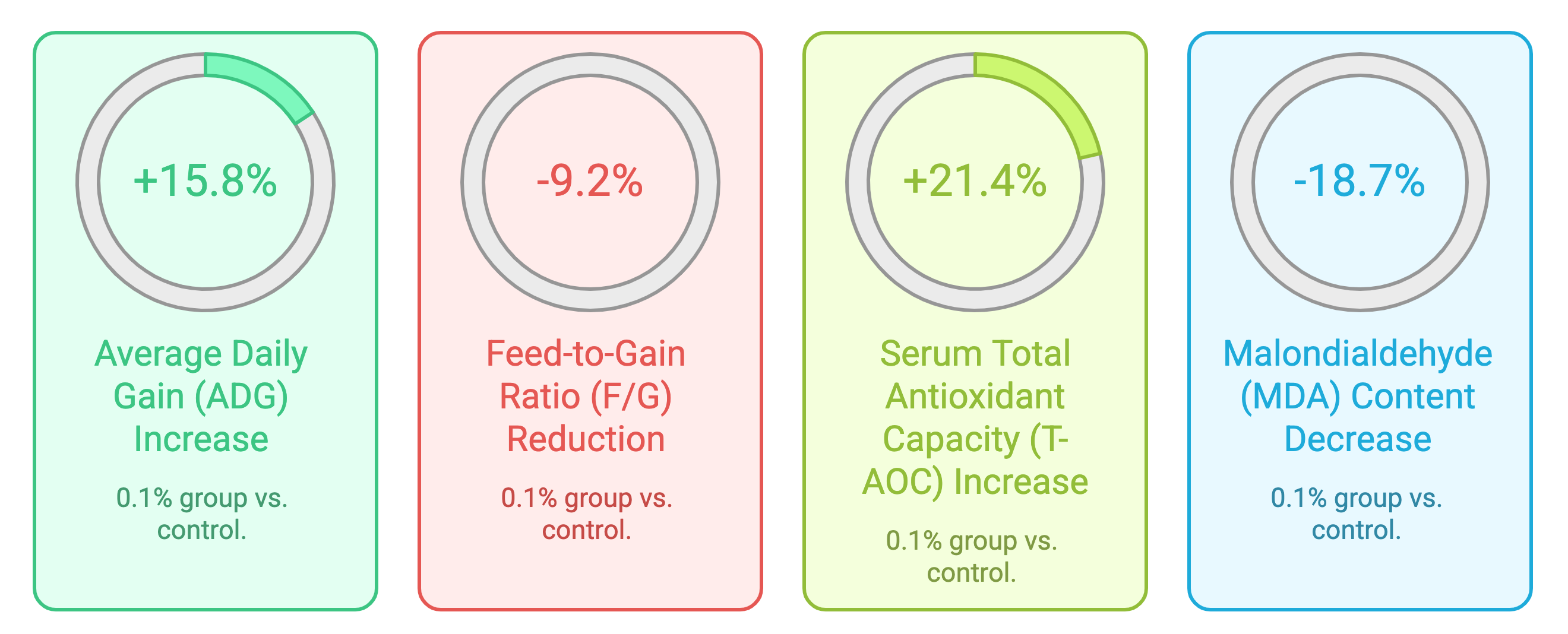
Rumen microbial fermentation in ruminants produces a large amount of unsaturated fatty acids. Bile acids can reduce the particle size of fat through emulsification, increasing the contact area for pancreatic lipase and enhancing the digestion and absorption rate of long-chain fatty acids (LCFA) (Wang Jiaqi et al., 2020). Li Shengli’s team (2022) found in a trial on Holstein steers that adding 0.1% bile acids increased the apparent dietary fat digestibility by 12.3% and significantly raised serum triglyceride concentrations, confirming its direct activation effect on lipid metabolism.Regulating Rumen Metabolism and Methane Emission ReductionBile acids can influence the balance of rumen microbiota. Through metagenomic sequencing, Academician Zhang Ziyi’s team (2021) discovered that in the rumen of beef cattle supplemented with bile acids, the abundance of methanogens (such as Methanobrevibacter ruminantium) decreased by 27%, while the relative content of cellulolytic bacteria (such as Fibrobacter succinogenes) increased by 19%. This may be related to the inhibition of the membrane structures of certain Gram-positive bacteria by bile acids, thereby reducing the accumulation of methane precursors (such as H₂) and indirectly achieving carbon emission reduction (FAO, 2023).Improving Growth Performance and Health StatusChen Daiwen et al. (2023) set up gradient supplementation groups of 0%, 0.05%, and 0.1% bile acids in a Simmental finishing cattle trial. The results showed that the 0.1% group increased average daily gain (ADG) by 15.8% (P < 0.05) compared to the control group and reduced the feed-to-gain ratio (F/G) by 9.2%. Simultaneously, serum total antioxidant capacity (T-AOC) increased by 21.4%, and malondialdehyde (MDA) content decreased by 18.7%, indicating a relief of oxidative stress. Furthermore, bile acids inhibit the expression of intestinal inflammatory factors (such as TNF-α、IL-6) by activating the Farnesoid X Receptor (FXR) signaling pathway, thereby reducing the rate of diarrhea (Liu et al., 2024).Application Challenges and ProspectsCurrent research mostly focuses on short-term supplementation effects; long-term safety (such as the feedback inhibition of hepatic bile acid synthesis) still needs verification. Additionally, the optimal dosage under different breeds and diet types requires further refinement. In the future, transcriptomics and metabolomics technologies can be integrated to analyze the molecular networks through which bile acids regulate beef cattle physiology, providing a basis for precision application.[1] Wang Jiaqi, et al. Research progress of bile acids in monogastric animal nutrition [J]. Chinese Journal of Animal Nutrition, 2020, 32(5): 2012-2020.[2] Li S L, et al. Bile acids improve lipid metabolism in beef cattle [J]. Journal of Animal Science, 2022, 100(3): skac056.[3] FAO. Livestock's Long Shadow: Environmental Issues and Options [R]. Rome: FAO, 2023.